














What is a Bartholin Cyst?

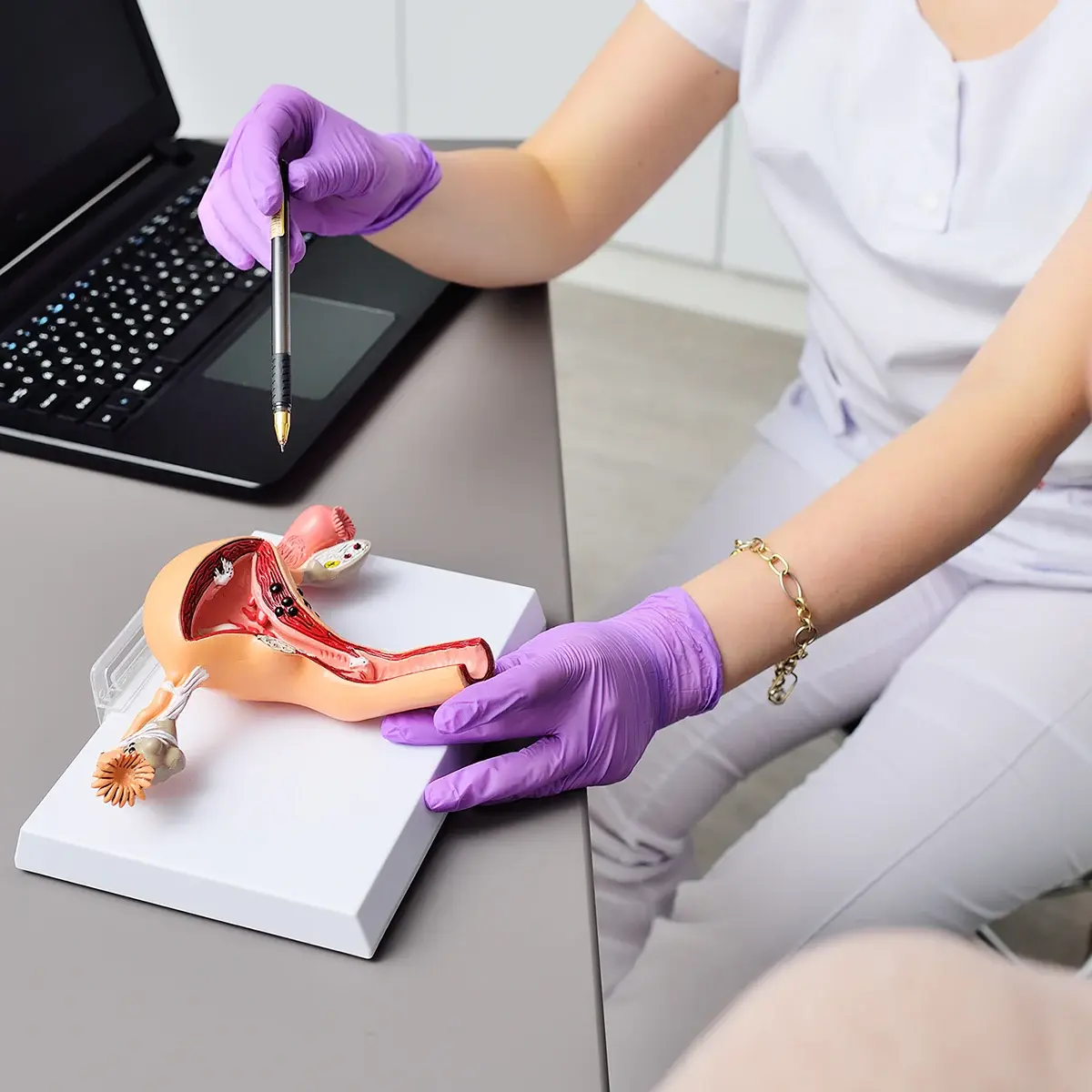
The Bartholin glands are two small glands located on either side of the vaginal opening. Their job is to secrete fluid that helps lubricate the vaginal tissue. When the duct of one of these glands becomes blocked, fluid builds up and forms a cyst. Bartholin cysts are common and noncancerous, but they can vary widely in size and discomfort.

A small cyst may cause little to no symptoms and resolve on its own. A larger cyst, however, can cause noticeable swelling, pressure, and pain, particularly during activities like walking, sitting, or intercourse. When a cyst becomes infected, it develops into an abscess, which is often significantly more painful and requires prompt attention.

Bartholin cyst symptoms might include:

  • A tender, round lump or swelling near the vaginal opening, on one side

  • Discomfort or pain while sitting, walking, or during intercourse

  • Redness, warmth, or visible swelling in the vulvar area

  • Drainage from the cyst, particularly if it has become infected

  • Fever or significant localized pain, which may indicate an abscess

Bartholin abscess treatment is often recommended for patients who:

  • Have a cyst that is causing pain, swelling, or significant discomfort

  • Have developed a Bartholin abscess, which is an infected cyst requiring drainage

  • Have experienced a Bartholin cyst that has returned after a previous episode

  • Have a cyst that has grown large enough to interfere with daily activities or comfort

  • Are postmenopausal, in which case evaluation is recommended to rule out rare glandular changes

No extensive preparation is required. Your provider will examine the cyst at your appointment, confirm the diagnosis, and explain the recommended treatment approach. Let your provider know if you have a fever, are currently taking blood thinners, or have any known allergies to local anesthetics.

Wear comfortable, loose clothing to your appointment. The procedure is typically completed in a single visit, and most patients are able to drive themselves home afterward, though bringing a support person is always welcome.

For cyst or abscess drainage, local anesthetic is applied to numb the area before the procedure begins. Your provider then makes a small incision in the cyst to allow fluid to drain. In some cases, a small catheter may be temporarily placed to keep the opening clear and allow complete drainage over the following days. The procedure typically takes 15 to 30 minutes.

For Bartholin marsupialization, which is used for recurrent cysts, the provider creates a small permanent opening in the duct to prevent future blockages. This is also performed under local anesthesia in the office. You may feel some pressure during the procedure, but significant pain is uncommon. Let your provider know immediately if you experience anything more than mild discomfort.

Most patients feel significant relief from pain and pressure within hours of drainage. Some soreness, swelling, and light discharge in the days following the procedure is normal. Your provider will give you specific instructions on wound care, activity restrictions, and any prescribed medications before you leave.

If a catheter was placed, your provider will schedule a follow-up visit for its removal, typically within two to four weeks. Sitz baths, soaking the area in warm water for 10 to 15 minutes several times a day, can help promote healing and comfort. Contact our office promptly if you develop a fever, increasing pain, or signs of spreading infection after the procedure.

Bartholin Cyst Treatment: What to Expect

The most common treatment for a symptomatic Bartholin cyst or abscess is drainage, a quick in-office procedure that relieves pressure, removes infected fluid, and provides immediate comfort. For patients with recurring cysts, a procedure called Bartholin marsupialization may also be recommended.
Mask group (6)

Insurance Information

Bartholin cyst drainage and marsupialization are covered by most major health insurance plans when they are medically indicated. Your specific coverage will depend on your plan and the nature of the procedure. Out-of-pocket costs such as deductibles and co-insurance may apply. Our team can help you verify your benefits before your procedure, walk you through any anticipated costs, and make sure you feel informed ahead of your appointment. We accept Aetna, Blue Shield PPO, Cigna HMO, Cofinity PPO, and most major insurance plans.

Mask group (7)

Patient Resources

From accessing your patient portal and downloading pre-visit forms to reviewing your insurance information and exploring our patient education library, we make it easy to stay informed, prepared, and confident in your care every step of the way.

Find a Gynecologist Near You

Office Locations

Palatine, IL

231 E Northwest Hwy, Palatine, IL 60067

Schaumburg, IL

Hoffman Estates, IL

Bartlett, IL

Don’t Wait Any Longer. Relief is an Appointment Away.

Small, painless Bartholin cysts sometimes resolve on their own, particularly with warm sitz baths. However, larger cysts, cysts that are growing, and cysts that have become infected (abscesses) will not typically resolve without treatment. 

A Bartholin cyst forms when the gland's duct becomes blocked and fluid accumulates. A Bartholin abscess develops when that cyst becomes infected, causing rapid swelling, intense pain, warmth, and sometimes fever. An abscess requires prompt drainage. If you develop sudden, severe pain in the vulvar area, contact our office the same day.

Local anesthetic is applied before the procedure, so you should not feel significant pain during drainage. You may feel some pressure or brief discomfort during the injection of anesthetic. After the procedure, soreness and mild discomfort are normal for a few days as the area heals.

Marsupialization is a minor in-office procedure that creates a small permanent opening in the Bartholin gland duct to prevent future blockages. It is typically recommended for patients who have had a Bartholin cyst return after a previous episode of drainage. Your provider will advise whether marsupialization is appropriate based on your history.

Most patients feel significant relief within hours of drainage. Mild soreness and swelling can continue for several days. Sitz baths and any prescribed medications help with comfort and healing. If a catheter was placed, a follow-up visit is scheduled within two to four weeks for its removal. Most women return to normal activities within a few days.

Yes. Bartholin cysts can recur after drainage, particularly if the underlying duct obstruction is not fully resolved. Marsupialization significantly reduces the likelihood of recurrence by creating a permanent drainage pathway. If you have had recurrent cysts, talk to your provider about whether marsupialization is the right next step for you.

Yes, a new Bartholin gland lump in a postmenopausal woman should always be evaluated promptly. While Bartholin cysts in postmenopausal patients are most often benign, rare cases of Bartholin gland carcinoma can present similarly. Your provider will examine the area carefully and recommend biopsy or further evaluation if there is any concern.

Frequently Asked Questions