















What is a Biophysical Profile?

A biophysical profile (BPP) is a comprehensive prenatal assessment that evaluates five key indicators of fetal health in a single appointment. It combines a nonstress test (NST), which monitors your baby's heart rate, with a targeted ultrasound examination that assesses your baby's movements, muscle tone, breathing patterns, and amniotic fluid levels. Together, these five components provide your provider with a detailed picture of how your baby is doing.

A BPP is most commonly ordered after 32 weeks of pregnancy, though it can be performed from 24 weeks onward when a fetus is considered viable. It may be recommended as a follow-up when a nonstress test produces a nonreactive result, or as part of ongoing monitoring for pregnancies with a higher risk of complications. The goal of the test is to detect any signs of fetal compromise, including low oxygen levels, early enough to intervene if needed.

Your provider may also recommend a modified or simplified BPP that includes only the NST and an ultrasound assessment of amniotic fluid. This shorter version is often used as an efficient first-line monitoring tool when a full profile is not yet warranted.

Your provider may request a biophysical profile to be done because:

  • You are carrying multiples (twins, triplets, or more)

  • You have a medical condition that may affect your pregnancy, including hypertension, heart disease, diabetes, or lupus

  • Your pregnancy has gone significantly past your due date

  • You have experienced pregnancy loss or complications in a previous pregnancy

  • Your baby is showing decreased movement or concerns about growth

  • Your amniotic fluid levels are too low or too high

  • You have Rh sensitization, a condition that can occur when you are Rh-negative and your baby is Rh-positive

  • You are 35 or older

  • You have additional risk factors your provider has identified as warranting closer fetal monitoring

A biophysical profile may be performed regularly, for example, once or twice a week, until you deliver.

No special preparation is required for a biophysical profile. You do not need to fast, and there is no anesthesia or sedation involved. Wear comfortable, loose clothing that allows easy access to your abdomen. It can be helpful to eat a light snack before your appointment, as an active baby may produce a quicker NST result.   

Plan for your appointment to last approximately 30 minutes for a full BPP, or somewhat less for a modified profile. Your provider will let you know if there are any specific instructions based on your situation.

Your appointment will include two components. The nonstress test portion comes first. You will be seated in a reclining position while sensors are gently wrapped around your abdomen, one to track your baby's heart rate, one to detect any uterine contractions. You will be given a button to press each time you feel movement. If your baby appears to be asleep, a gentle sound stimulus may be used to encourage activity.

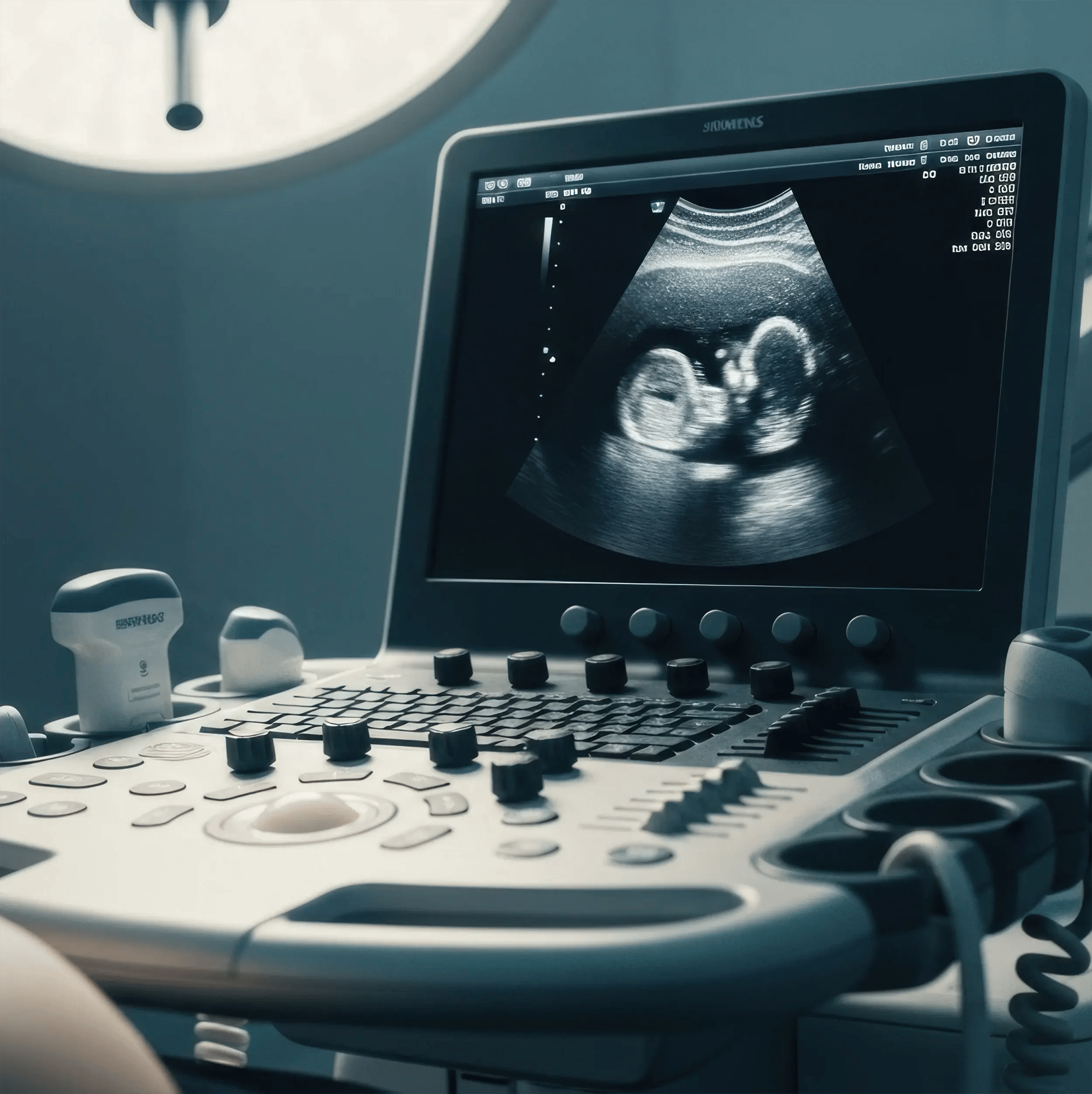
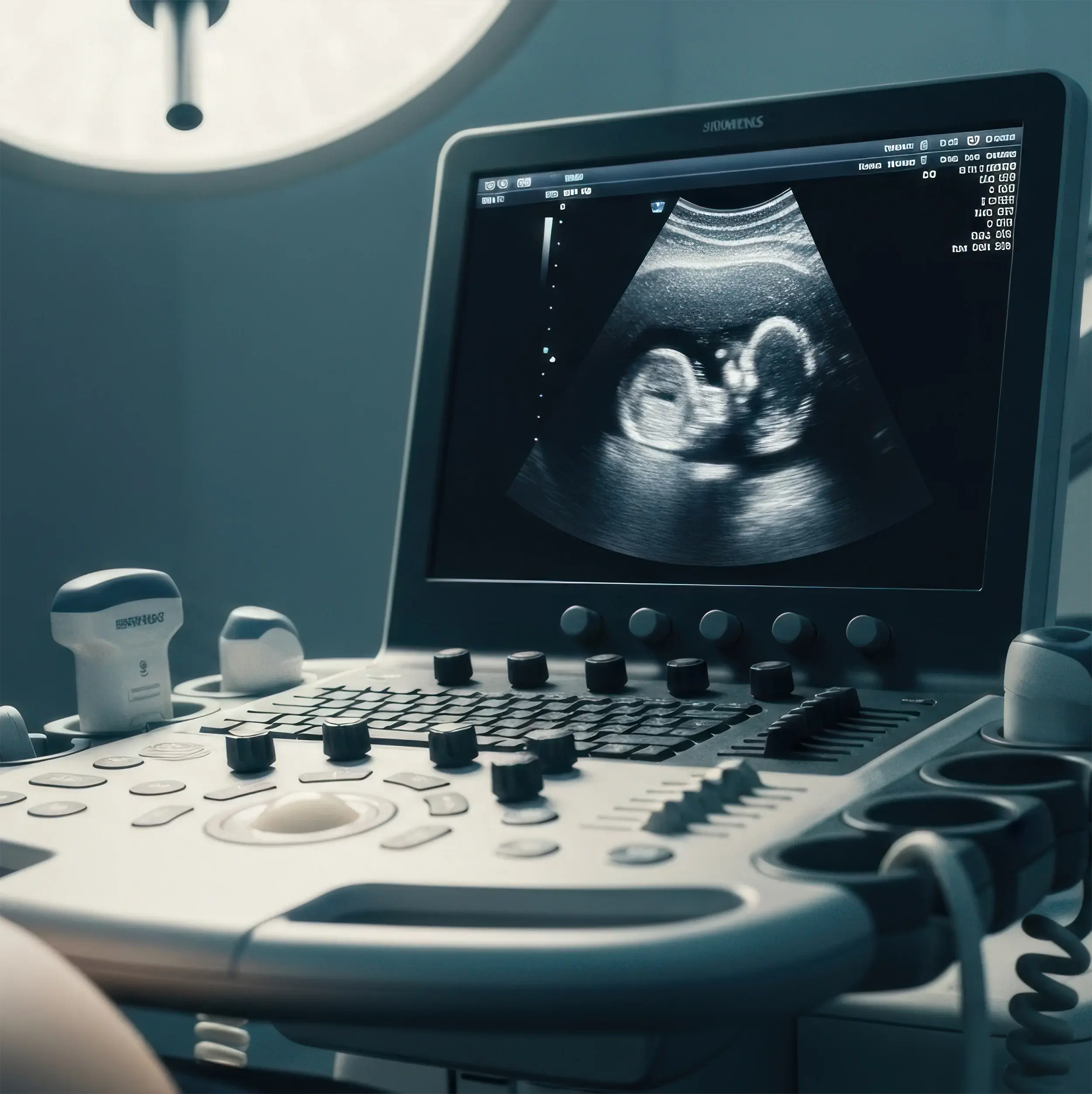
The ultrasound portion follows. You will lie on your back while a small amount of gel is applied to your abdomen. Your provider or sonographer will then move a handheld transducer across the gel. The transducer sends sound waves into the body that create real-time images on a monitor. During this portion of the exam, your provider will evaluate your baby's movement, muscle tone, breathing patterns, and the level of amniotic fluid in your uterus.

Each of the five components evaluated during the BPP is assigned a score of either 2 (criteria met) or 0 (criteria not met). Scores of 1 are not used. The maximum total score is 10. Here is how each component is scored:

  • Fetal heart rate: These are interpreted as reactive or nonreactive, based on the nonstress test. If your baby achieved the required heart rate twice during the examination, the score will be 2. Conversely, if none is reached, a zero will be given.

  • Fetal breathing: If the baby shows rhythmic breathing for at least thirty seconds, a score of 2 is given. If not at all, a zero will be given.

  • Fetal movement: If the baby moves his or her extremities more than three times, a score of 2 is given.

  • Fetal muscle tone: If the baby can extend, bend, and then extend again in a short period of time, a score of 2 is given.

  • Amniotic fluid level: The technician will look for a specific area of amniotic fluid. If the pocket does not meet a certain size, a score of zero is given.

In total, a score between 8 and 10 is considered good or excellent. A score as low as 4 may mean immediate delivery is required.

Your Biophysical Profile Test: What to Expect

A BPP combines two separate monitoring components, a nonstress test and an ultrasound, in a single appointment. Most profiles take around 30 minutes to complete. Here is a clear walk-through of the experience.
Mask group (6)

Insurance Information

Most major health insurance plans cover biophysical profiles ordered as part of medically indicated prenatal monitoring. Your specific coverage will depend on your plan, your gestational age, and the clinical reason for the test. Out-of-pocket costs such as deductibles and coinsurance may apply. Our team can help you verify your benefits before your appointment and walk you through any anticipated costs. We accept Aetna, Blue Shield PPO, Cigna HMO, Cofinity PPO, and most major insurance plans.

Mask group (7)

Patient Resources

From accessing your patient portal and downloading pre-visit forms to reviewing your insurance information and exploring our patient education library, we make it easy to stay informed, prepared, and confident in your care every step of the way.

Find a Women’s HealthFirst Near You

Office Locations

Palatine, IL

231 E Northwest Hwy, Palatine, IL 60067

Schaumburg, IL

Hoffman Estates, IL

Bartlett, IL

Your Baby’s Health Deserves a Complete Picture

Frequently Asked Questions

A nonstress test monitors only your baby's heart rate response to movement. A biophysical profile goes further, combining the NST with an ultrasound evaluation of four additional indicators, like fetal breathing, movement, muscle tone, and amniotic fluid level. The BPP provides a more comprehensive picture of fetal well-being and is often ordered when an NST is inconclusive.

Yes. A biophysical profile involves no needles, incisions, or medication. The nonstress test component uses external sensors, and the ultrasound uses sound waves; both are widely used, well-established prenatal monitoring tools with no known risks to you or your baby.

A full biophysical profile takes approximately 30 minutes. A modified BPP, which includes only the NST and an amniotic fluid assessment, takes less time. Occasionally, if the baby is less active, either component may take slightly longer.

A score of 8 to 10 is reassuring. It indicates that all evaluated parameters of fetal well-being are within normal range. Your provider will continue routine monitoring based on your care plan.

A score of 6 typically prompts a repeat test within 24 hours, and delivery may be considered depending on gestational age. A score of 4 or below raises significant concern and usually leads to immediate evaluation for delivery. Your provider will explain the result clearly and walk you through every option.

No. Fasting is not required. In fact, a light snack beforehand is helpful, as a fed baby is often more active during monitoring. Wear comfortable clothing and plan for a 30-minute appointment.

A BPP is most commonly performed after 32 weeks, though it can be done from 24 weeks when the fetus is viable. It may be ordered as a routine part of high-risk pregnancy monitoring, as a follow-up to a nonreactive NST, or whenever your provider has a specific clinical concern about fetal well-being.