












IUD & NEXPLANON
Long-acting, low-maintenance birth control—placed and removed right in our office.
Long-Acting Birth Control in Illinois
When it comes to long-acting birth control, two options stand out for their effectiveness, convenience, and flexibility: the intrauterine device (IUD) and NEXPLANON. Both are more than 99% effective at preventing pregnancy, require no daily attention, and can be reversed whenever you’re ready.
At Women’s HealthFirst, our doctors offer both options at our offices across Bartlett, Hoffman Estates, Palatine, and Schaumburg—so you can make an informed choice and move forward with confidence.
Key Things To Know About IUDs
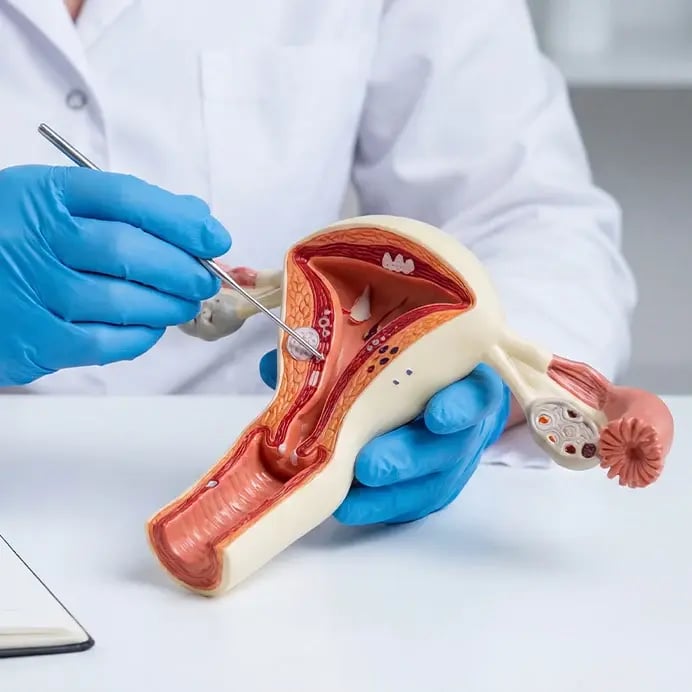
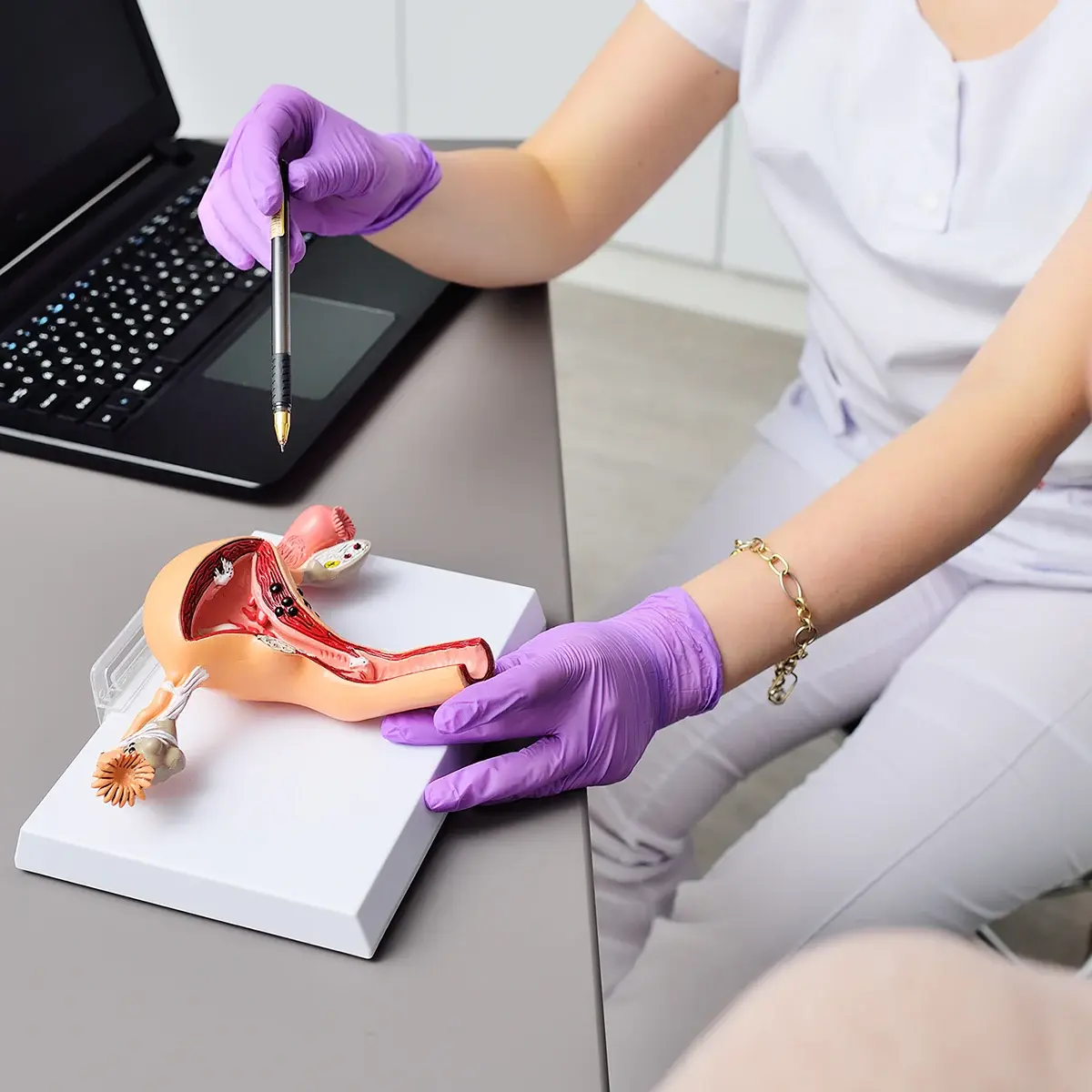
An IUD is a small, T-shaped device placed inside the uterus by a doctor during a brief in-office procedure. There are two main categories:
-
Hormonal IUDs (Mirena, Kyleena, Liletta, Skyla) release low levels of progestin to prevent pregnancy. Many women experience lighter periods or none at all. They last 3–8 years, depending on the type.
-
Copper IUDs (Paragard) are hormone-free and use copper’s natural sperm-deterring properties. Paragard can remain effective for up to 10–12 years and can also serve as emergency contraception when placed within 5 days of unprotected sex.
-
IUDs are reversible—fertility typically returns quickly after removal.
-
They’re a strong fit for women who want long-term protection, prefer a hormone-free option, or want lighter periods.
Key Things To Know About Nexplanon
NEXPLANON is a small, flexible rod about the size of a matchstick that is inserted just beneath the skin on the inside of the upper arm. It releases a low, steady dose of progestin (etonogestrel) to prevent pregnancy.
-
Effective for up to 3 years.
-
One of the most effective forms of birth control available, with results greater than 99%.
-
Discreet and largely invisible once placed, it can be felt but not seen.
-
A good option for women who want to avoid a uterine device, are sensitive to estrogen, or simply want a “set it and forget it” approach.
-
Fertility returns quickly after removal.
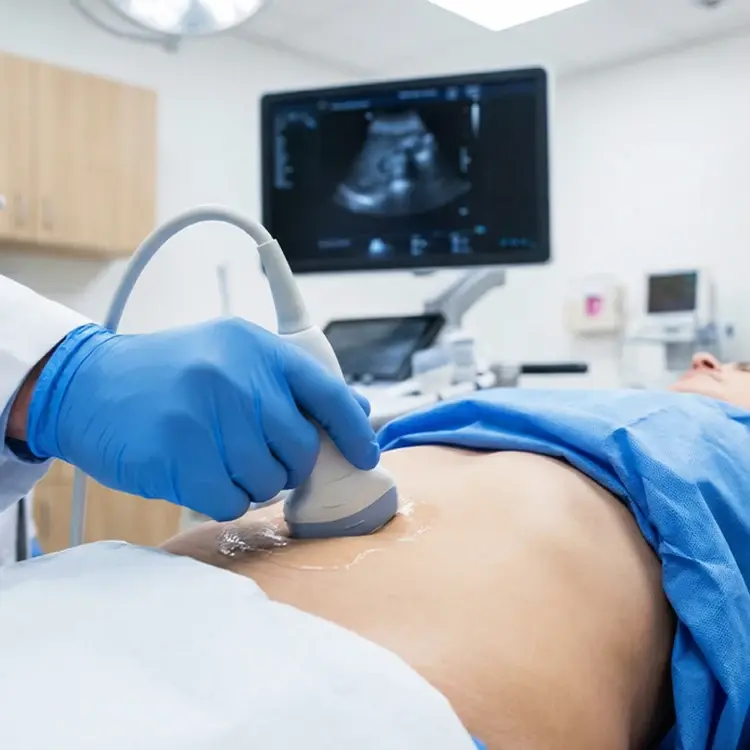
Before your appointment, your doctor may recommend taking an over-the-counter pain reliever. During the procedure, you’ll lie on the exam table as you would for a pelvic exam. Your doctor will gently insert a speculum, cleanse the cervix, measure the uterus with a thin instrument, and then place the IUD through the cervical opening into the uterus. The entire process typically takes less than 5 minutes. Most women feel mild to moderate cramping during and briefly after placement. You can drive yourself home, and normal activities can usually resume the same day or the next.
IUD removal is typically quicker and less uncomfortable than insertion. Your doctor will locate the IUD strings during a pelvic exam and gently pull to remove the device. Most women feel a brief cramp. You can have a new IUD placed at the same appointment, or your natural fertility will return within a short time if you’re not replacing it.
Your doctor will numb a small area on the inside of your upper arm with a local anesthetic. Using a specialized applicator, the matchstick-sized rod is then inserted just beneath the skin—the process takes about a minute. You’ll receive a small bandage and may have minor bruising or tenderness for a few days. NEXPLANON becomes effective within 24 hours if placed during the first 5 days of your menstrual cycle; otherwise, backup contraception is recommended for 7 days.
When you’re ready to remove NEXPLANON, your doctor will numb the skin over the implant site, make a tiny incision, and gently pull the rod out. The procedure takes just a few minutes. A new NEXPLANON can be placed at the same visit if desired.
Insertion & Removal: What to Expect
Insurance Information
Most major health insurance plans cover IUD and NEXPLANON insertion and removal, and many plans cover these services with little to no out-of-pocket cost under the ACA’s preventive care provisions. Your specific coverage will depend on your plan and the device selected. Out-of-pocket costs such as deductibles and co-insurance may apply. Our team can help you verify your benefits before your appointment, walk you through anticipated costs, and make sure you feel fully informed ahead of your visit. We accept Aetna, Blue Cross Blue Shield, Cigna, United Healthcare, and most major insurance plans.
Patient Resources
From accessing your patient portal and downloading pre-visit forms to reviewing your insurance information and exploring our patient education library, we make it easy to stay informed, prepared, and confident in your care every step of the way.
Meet Our OB-GYN Providers

Find a Gynecologist Near You
Office Locations
Palatine, IL
Schaumburg, IL
Hoffman Estates, IL
Bartlett, IL
Ready to Find the Birth Control That Works For You?
Discomfort varies by person. IUD insertion is often described as strong menstrual cramping that lasts a few minutes; taking ibuprofen beforehand can help. NEXPLANON insertion involves a numbing injection in the arm, so the placement itself is usually painless. Most patients tolerate both procedures well in an office setting.
A hormonal IUD or NEXPLANON placed during the first 5 days of your menstrual cycle is effective immediately. A copper IUD (Paragard) is effective immediately and can also be used as emergency contraception. If placed at other points in your cycle, backup contraception is typically recommended for 7 days.
Yes. Both IUDs and NEXPLANON are safe and effective options for women who have not been pregnant. Your doctor will review your individual health history to help you determine which method is best for you.
It depends on the type. Hormonal IUDs often lead to lighter periods or none at all after a few months. The copper IUD may initially cause heavier or more crampy periods. NEXPLANON can make periods irregular, lighter, or less frequent—for some women, they stop altogether. These changes are common and expected.
Both methods are fully reversible. Your doctor can remove the device whenever you’re ready to conceive, and fertility typically returns quickly—often within the first menstrual cycle after removal.
NEXPLANON can be felt beneath the skin but is not visible to others. The implant site may leave a small scar after healing, but the rod itself is not visible on the outside.
Your doctor will advise you on the effective lifespan of the device you choose. We’ll note your insertion date and can send reminders as you approach the replacement window. If you have concerns before then—such as changes in symptoms or difficulty locating IUD strings—contact us, and we’ll schedule a check.