














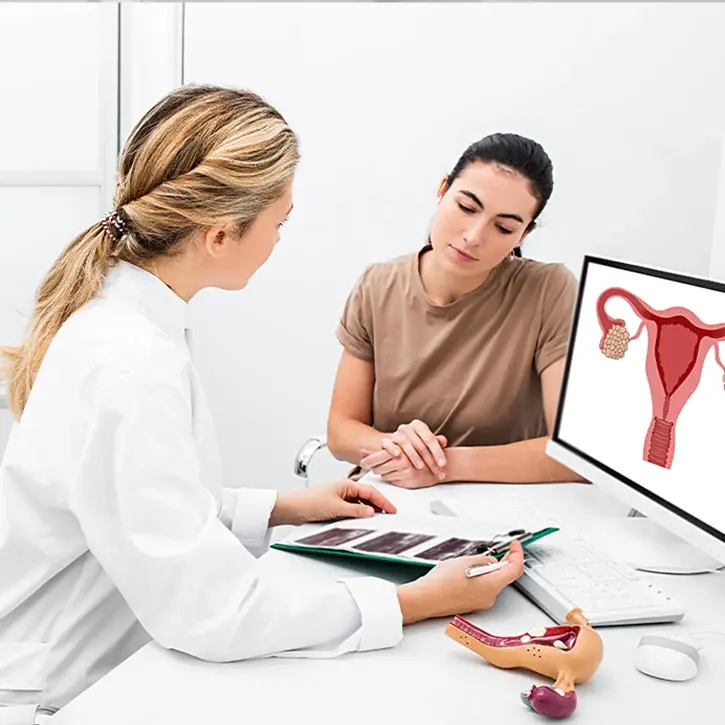
What is a Dilation & Curettage Procedure?

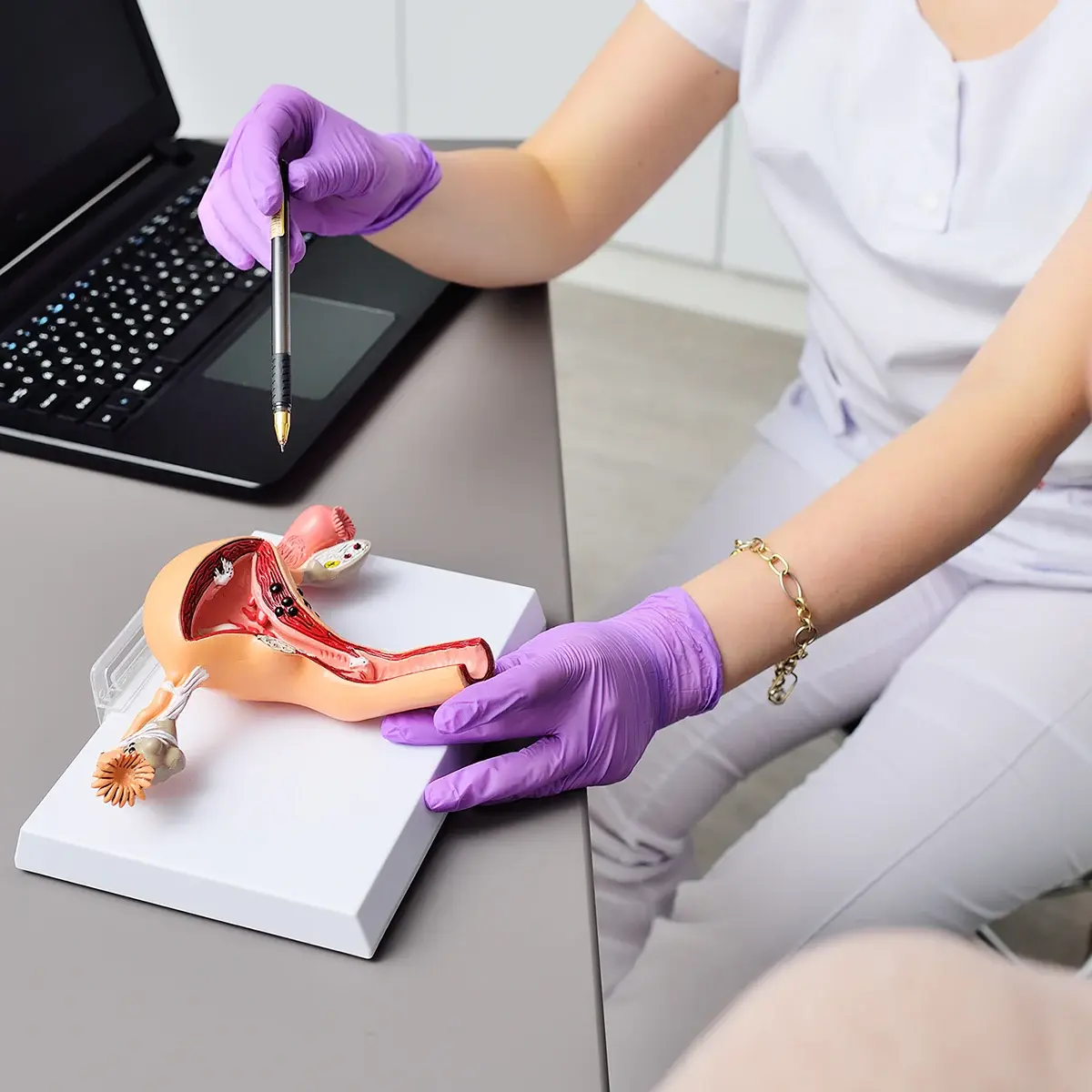
A dilation and curettage, commonly called a D&C, is a minor surgical procedure in which the cervix is gently opened (dilated), and a thin instrument is used to remove tissue from the lining of the uterus. It is one of the most common gynecologic procedures performed, and at Women's HealthFirst, it is carried out with the same attention to precision, safety, and patient comfort that defines all of our surgical care.

A D&C may be used for two distinct purposes: therapeutic, meaning to treat a condition or manage a pregnancy loss, or diagnostic, meaning to collect tissue for evaluation when the cause of a symptom is unclear. In both cases, the procedure is typically brief, performed under anesthesia, and does not require an overnight hospital stay.

A D&C may be recommended for you if:

  • You have experienced a miscarriage, and tissue remains in the uterus

  • You have been diagnosed with a molar pregnancy

  • You are experiencing unexplained or abnormal uterine bleeding

  • An endometrial biopsy or imaging has identified uterine polyps or other abnormalities that require removal or further evaluation

  • Your provider suspects endometrial hyperplasia or another condition affecting the uterine lining

  • Retained tissue remains following a delivery or pregnancy

  • A tissue sample is needed to evaluate symptoms or confirm a diagnosis

Your Women's HealthFirst provider will review your medical history, confirm your diagnosis, and explain exactly what the procedure involves and why it is being recommended. You will have the opportunity to ask questions, and our team will make sure you feel informed and prepared before anything is scheduled.

Pre-procedure instructions typically include fasting for several hours before surgery and arranging for someone to drive you home afterward, as you will receive anesthesia. Your provider will also review your current medications and let you know if any need to be paused. For some procedures, a cervical softening medication may be placed the night before or the morning of your appointment to help ease dilation.

A D&C is typically performed under general anesthesia or conscious sedation so that you will be comfortable and unaware throughout. The procedure itself takes approximately 15 to 30 minutes. Your surgeon gently dilates the cervix using a series of thin instruments, then uses a curette or suction device to carefully remove tissue from the uterine lining.

A full surgical and nursing team is present throughout, and you will be monitored continuously. Because a D&C requires no external incisions, there are no stitches and no visible scarring. Most patients are taken to a brief recovery area after the procedure and are ready to go home within one to two hours.

Most women feel well enough to return to light activity the following day, though rest is recommended for 24 to 48 hours after the procedure. It is normal to experience mild cramping and light spotting for several days. Your provider will give you specific instructions on activity, medications, and what to watch for before you leave.

You will be asked to avoid inserting anything into the vagina, including tampons, and to avoid intercourse for a period of time following the procedure. Your Women's HealthFirst provider will also schedule a follow-up appointment to review any tissue results and discuss next steps in your care. If at any point you experience heavy bleeding, fever, or significant pain, contact our office right away or seek emergency care.

Your D&C Procedure: What to Expect

A D&C is a routine procedure in skilled hands, and knowing what to expect can help ease any anxiety you may have. Here is a clear, honest overview of the process from start to finish.
Mask group (6)

Insurance Information

D&C procedures that are medically indicated are covered by most major health insurance plans. Your specific coverage will depend on your plan, your diagnosis, and whether the procedure is classified as therapeutic or diagnostic. Out-of-pocket costs such as deductibles and co-insurance may apply.

Our team can help you verify your benefits before your procedure, walk you through anticipated costs, and ensure you feel prepared and informed well ahead of your appointment. We accept Aetna, Blue Shield PPO, Cigna HMO, Cofinity PPO, and most major insurance plans.

Mask group (7)

Patient Resources

From accessing your patient portal and downloading pre-visit forms to reviewing your insurance information and exploring our patient education library, we make it easy to stay informed, prepared, and confident in your care every step of the way.

Find a Gynecologist Near You

Office Locations

Palatine, IL

231 E Northwest Hwy, Palatine, IL 60067

Schaumburg, IL

Hoffman Estates, IL

Bartlett, IL

We’re Here. Let’s Take This Step Together.

The procedure itself typically takes 15 to 30 minutes. You will spend additional time in a pre-operative area before and a brief recovery area afterward. Most patients are ready to go home within a few hours of arriving.

No. A D&C is performed under general anesthesia or conscious sedation, so you will not be aware of or feel pain during the procedure. Your anesthesia team will be present and monitoring you throughout.

Most women return to light activity within one to two days. Mild cramping and light spotting are normal for several days after the procedure. Your provider will give you specific instructions and schedule a follow-up to review results and discuss next steps.

D&C is a surgical technique used in several different clinical situations, including the management of miscarriage, retained tissue after delivery, abnormal bleeding, and diagnostic evaluation. It is a medical procedure. Your provider will explain clearly why a D&C is being recommended in your specific case.

Yes, in most cases. A D&C does not typically affect future fertility. Your provider will advise you on the appropriate timing before trying to conceive again, which varies based on your individual situation.

A D&C is a common and generally safe procedure. As with any surgical procedure, there are small risks including infection, bleeding, or uterine perforation. Rarely, scarring of the uterine lining (Asherman's syndrome) can occur. Your provider will discuss these risks with you before the procedure and answer any questions you have.

Bring your insurance card and a valid ID. You will need a trusted person to drive you home afterward, as you will not be able to drive following anesthesia. Wear comfortable, loose clothing. Your provider will give you any additional specific instructions ahead of time.

Frequently Asked Questions