












What is an Endometrial Biopsy?

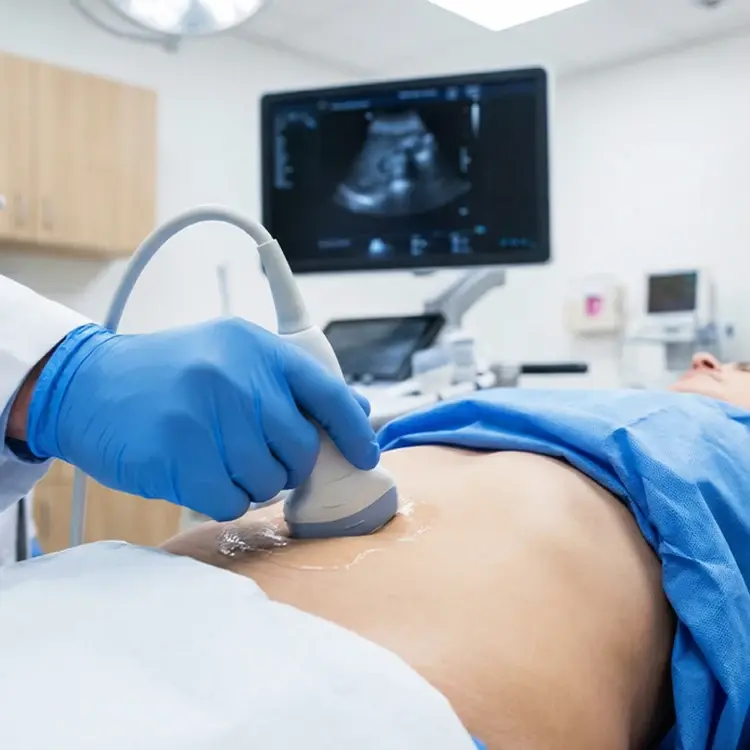
An endometrial biopsy is a brief, in-office procedure in which a small sample of endometrial tissue is taken from the lining of the uterus. That sample is then sent to a laboratory for analysis, giving your provider important information about the health of your uterine lining and helping to identify or rule out conditions that may be causing your symptoms.

The procedure takes approximately five to ten minutes and requires no anesthesia or hospital visit. It is one of the most efficient diagnostic tools available in women's health, and at Women's HealthFirst, it can often be performed the same day as your office visit.

An endometrial biopsy may be used to evaluate a range of concerns, from abnormal bleeding patterns to changes identified during imaging or examination. It also plays an important role in the early detection of endometrial cancer, uterine polyps, hyperplasia, and hormonal imbalances affecting the uterine lining.

Your provider may recommend an endometrial biopsy for you if:

  • You are experiencing abnormal uterine bleeding, including bleeding between periods, unusually heavy periods, or postmenopausal bleeding

  • Your provider suspects endometrial hyperplasia, polyps, or other changes to the uterine lining based on symptoms or imaging

  • You are undergoing evaluation for possible endometrial cancer or precancerous changes

  • You have had abnormal results on a pelvic ultrasound, showing a thickened uterine lining

  • You are being monitored for response to hormonal therapy, including estrogen or progesterone treatment

  • Your provider recommends routine screening based on your age, family history, or risk factors for uterine cancer

No special preparation is required for most endometrial biopsies. Your provider will review your symptoms, medical history, and the reason for the biopsy at your appointment. If you are not already in menopause, your provider may prefer to schedule the biopsy during a specific point in your cycle, typically in the first half. Let your provider know if you are pregnant or think you might be, as a biopsy would not be performed during pregnancy.

Your provider will advise you on taking an over-the-counter pain reliever before the procedure to reduce cramping. You do not need to fast, arrange for a driver, or take time off work in most cases.

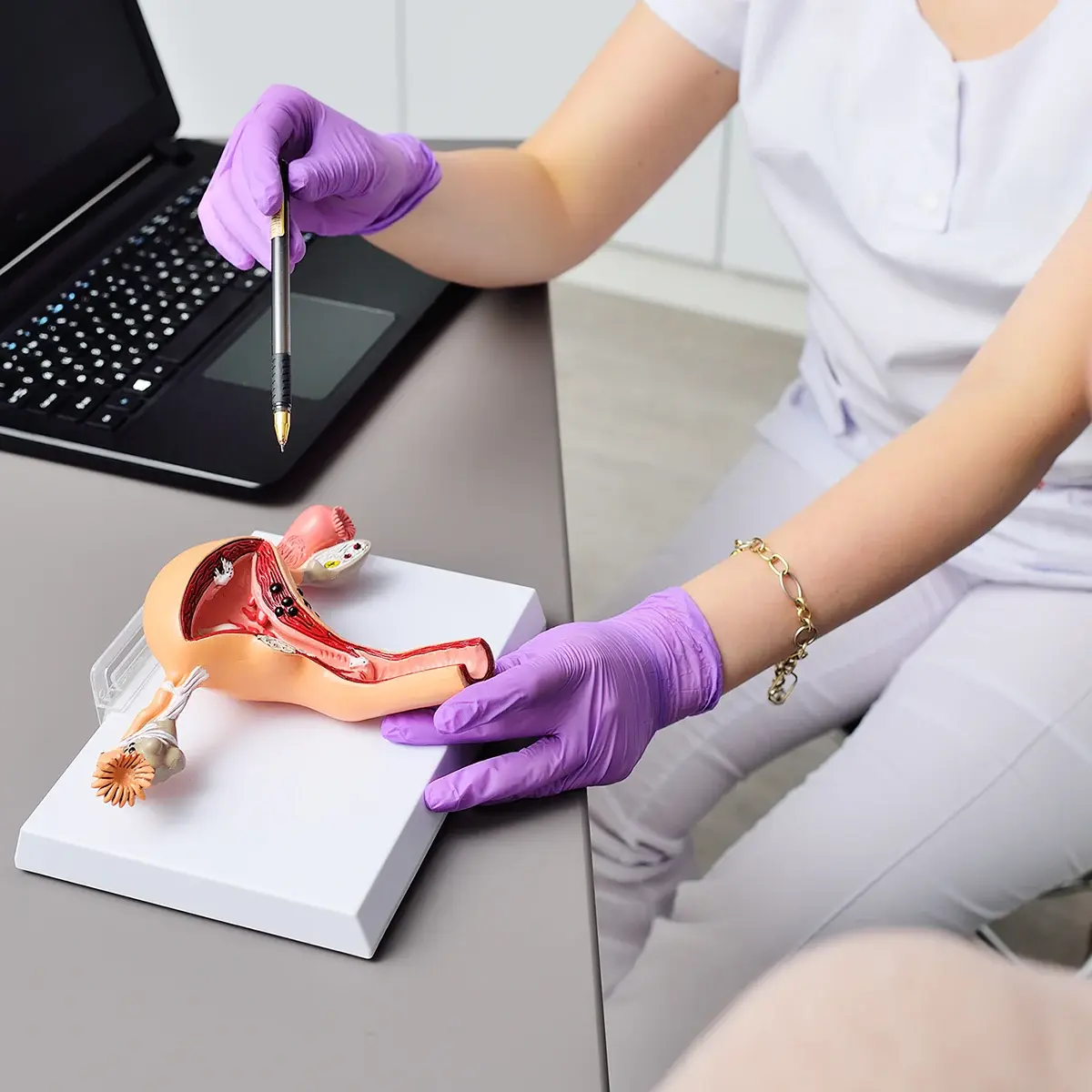
You will lie on the exam table as you would for a routine pelvic exam. Your provider will insert a speculum to visualize the cervix, then gently pass a thin, flexible tube called a pipelle through the cervix into the uterus. A small amount of tissue from the uterine lining is drawn into the tube by suction. The collection takes approximately 30 seconds. The speculum is then removed, and the procedure is complete.

Most women feel mild to moderate cramping during the biopsy, similar to menstrual cramps. The discomfort is brief and passes quickly once the instrument is removed. If you feel significant pain at any point, let your provider know immediately. The entire procedure typically takes five to ten minutes from start to finish.

During endometrial biopsy recovery, it’s normal to experience mild cramping and light spotting for 1 to 2 days immediately after. Most women return to their regular activities the same day, but should avoid inserting anything into the vagina, including tampons, and avoid intercourse for 24 to 48 hours, or as directed by your provider.

Biopsy results are typically available within one to two weeks. Your Women's HealthFirst provider will follow up with you to review findings and discuss next steps. If results indicate a condition requiring treatment, your team will explain your options clearly and work with you to develop a care plan.

Endometrial Biopsy: What to Expect

An endometrial biopsy is one of the most straightforward in-office procedures we perform. Here is a clear overview of what happens from your first conversation with your provider through the days that follow.
Mask group (6)

Insurance Information

Medically indicated endometrial biopsies are covered by most major health insurance plans. Coverage depends on your specific plan, your diagnosis, and the procedure's code. Out-of-pocket costs such as deductibles and co-insurance may apply, and laboratory fees for tissue analysis are typically billed separately. Our team can help you verify your benefits before your procedure, walk you through anticipated costs, and ensure you feel informed well ahead of your appointment. We accept Aetna, Blue Shield PPO, Cigna HMO, Cofinity PPO, and most major insurance plans.

Mask group (7)

Patient Resources

From accessing your patient portal and downloading pre-visit forms to reviewing your insurance information and exploring our patient education library, we make it easy to stay informed, prepared, and confident in your care every step of the way.

Find a Gynecologist Near You

Office Locations

Palatine, IL

231 E Northwest Hwy, Palatine, IL 60067

Schaumburg, IL

Hoffman Estates, IL

Bartlett, IL

Answer Start Here. Let’s Get You the Clarity You Deserve.

Frequently Asked Questions

Most women experience mild to moderate cramping during the procedure, similar to period cramps. The discomfort is brief, typically lasting only the 30 seconds or so that the tissue is being collected. Taking ibuprofen before your appointment can help. If you have significant pain during the procedure, let your provider know right away.

The procedure itself takes approximately five to ten minutes from start to finish, including preparation. Most patients are in and out of the office within 30 minutes total.

No. An endometrial biopsy is performed without anesthesia and does not require sedation. You can drive yourself to and from the appointment and return to normal activities the same day.

Biopsy results are typically available within one to two weeks, depending on the laboratory. Your Women's HealthFirst provider will follow up with you to review findings and discuss next steps. Results may also appear in your Athena Health patient portal.

Your provider will contact you directly to review any abnormal findings and explain their meaning. Depending on the results, the next steps include additional testing, a referral to a specialist, medical treatment, or closer monitoring. You will have a clear conversation about your options before any decisions are made.

Yes. Postmenopausal bleeding is one of the most common reasons an endometrial biopsy is recommended, as it can be an early sign of uterine cancer or other uterine changes. If you have experienced any bleeding after menopause, contact your provider promptly.

They are related but different procedures. An endometrial biopsy collects a small tissue sample using a thin tube and is done without anesthesia in the office, and takes only minutes. A D&C involves dilating the cervix and removing tissue more extensively, requires anesthesia, and is typically performed in a surgical setting.